In a fit-out, the most consequential decision is made before a single wall is touched: who you hire. The right company protects your budget and your design intent for the whole project; the wrong one erodes both, quietly, after the contract is signed. In a market as crowded as Dubai's — where a glossy brochure and a low quote can hide a chain of subcontractors — knowing how to tell them apart is the real skill.
This is a practical guide to choosing an interior fit-out company in Dubai: the model to insist on, the credentials to check, the questions that cut through a sales pitch, and the red flags worth walking away from. It applies whether you are fitting out a private villa, an apartment, or a commercial space.
First, decide the model — not the company
Before you compare names, decide how you want the work delivered. Most interiors in Dubai are still built by a chain of separate hands: a designer draws it, a contractor prices it, subcontractors build it, and a supplier fills it. Every link in that chain is a handover — and every handover is a place where the design quietly changes and the budget quietly grows.
The alternative is design-and-build: one studio designs the space and builds it, with a single team accountable from the first brief to the final key. It is the single biggest factor in whether what you approved on paper is what you actually receive. Choose the model first, and your shortlist narrows itself.
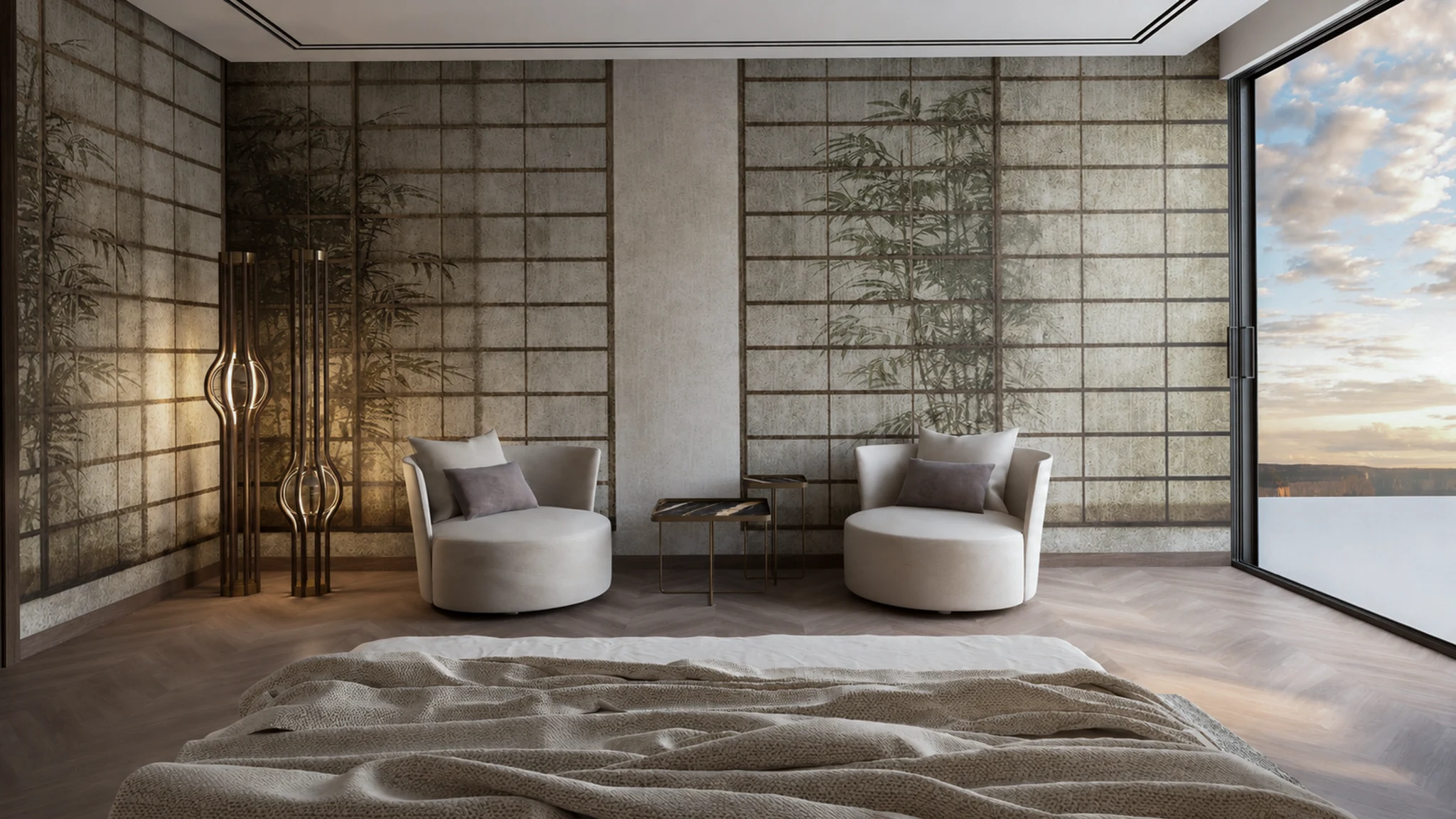
Seven things to check before you shortlist
Use this as a checklist when you evaluate anyone — including us. A company worth hiring will answer all seven plainly.
01Years operating in Dubai — and the licence to match
Experience is the first filter. A company that has operated in Dubai for years has delivered through real authority approvals, real supply chains and real site conditions — and has a body of completed work to show for it. That track record tells you far more than any brochure. Confirm, too, that the trade licence actually covers interior design, decoration and fit-out rather than a related trade, so the company is working within its licensed scope. Longevity plus the right licence is the baseline; everything else builds on it.
02Design and build under one roof
Confirm the company produces its own design and construction drawings in-house, and that the people who designed the space also run the construction on site. The advantage is practical: when design and build sit in the same company, the designer draws what is genuinely buildable and feasible — technically sound and within budget — rather than a concept that unravels on site, and the team building it understands the design and the materials properly and executes them exactly as intended. If the design is outsourced, or the build is handed to a separate contractor, you lose both halves of that, and you are back in the fragmented model — whatever the brochure calls it.
03A portfolio of completed, built projects
Renders are easy to commission; finished rooms are not. Ask to see completed projects that were actually built by the team — ideally photographed on handover, not just visualised. Better still, ask to visit a recent or ongoing site. A studio proud of its delivery will offer this without hesitation.
04A clear process with a fixed budget
Ask when the budget is fixed. The right answer is after the technical drawings are complete — once every layout, elevation, detail and finish is specified — and before construction begins. A number given before the design is defined is a placeholder that will move. A fixed budget after the drawings is a commitment you can hold them to.
05Real materials you can approve
Insist on seeing physical samples — stone, timber, fabric, metal, finishes — not screen renders alone. A serious studio reviews key materials in person before they are ordered, and lets you do the same. This one habit removes most of the "it looked different in the render" surprises that wreck budgets on site.
06One point of contact, concept to handover
Ask who your single point of contact is, and whether that person stays with the project from concept to handover. Chasing five suppliers when a detail is wrong is a symptom of the fragmented model. One accountable contact is a feature of a team that owns the whole job.
07Aftercare and a proper handover
At handover you should receive more than keys — a project record of drawings, material specifications and documentation for future maintenance, and a studio that stays reachable afterwards. Ask what the aftercare covers and for how long. The relationship shouldn't end at the door.
Questions to ask on the first call
These six questions separate a genuine design-and-build studio from a broker who will subcontract your project:
- Do you produce the design and construction drawings in-house, or outsource them?
- Do the people who designed it also run the construction on site?
- Is the budget fixed after the technical drawings, before construction begins?
- Who is my single point of contact from concept to handover?
- Can I see and approve physical materials before they are ordered?
- What does your aftercare cover, and for how long?
Red flags worth walking away from
- A quote far below the others. It usually means scope left undefined on purpose — so anything ambiguous later becomes a paid variation.
- A price before a design. A fixed number offered before the technical drawings exist is a figure designed to move.
- No physical samples. If everything lives on a screen, you can't catch a substitution until it's installed.
- Vague answers on who builds it. "We have partners for that" often means your project will be handed to a contractor who wasn't in the room when it was designed.
- Pressure for a large upfront payment. Reasonable, staged payments tied to executed works protect both sides.
_web.webp)
Why the cheapest quote rarely is
The fragmented model looks cheaper on the first quote and costs more by the last invoice — through variation claims, value engineering you didn't ask for, blame at the seams between trades, and schedule drift from every handoff. One team that owns both the drawings and the build has nothing to claim against and no one to blame. We explain exactly how that plays out, stage by stage, in our guide to turnkey interior fit-out in Dubai.
At Soltis, everything is handled by the same team, coordinated in advance: interior design and technical documentation, authority approvals, the full fit-out works, aluminium windows and doors, bespoke joinery and fixed and loose furniture and FF&E manufactured or procured to specification, MEP coordination and finishes, and snagging, commissioning and turnkey handover. One contract, one point of accountability — the model this whole guide points toward.
Frequently asked questions
How do I choose the right interior fit-out company in Dubai?
Start by deciding on the delivery model. A design-and-build studio designs and constructs the project with one accountable team, which removes the handover gaps where budget and design intent are usually lost. Then check that the company produces its design and construction drawings in-house, can show completed built projects, fixes the budget after the technical drawings, gives you a single point of contact, and lets you approve physical materials before anything is ordered.
What should an interior fit-out company include?
A full-service fit-out in Dubai covers interior design and technical documentation, authority coordination and approvals, the full fit-out works, aluminium windows and doors, bespoke joinery and fixed and loose furniture and FF&E manufactured or procured to specification, MEP coordination and finishes, and snagging, commissioning and turnkey handover — all coordinated by one team.
Why is the cheapest fit-out quote usually the most expensive?
A low first quote often leaves scope undefined so that anything ambiguous later becomes a paid variation, and a contractor handed a design to price will quietly substitute cheaper materials to protect margin. A fixed budget set after the technical drawings, from a team that owns both the design and the build, is almost always better value by the final invoice.
Is Soltis a design-and-build fit-out company?
Yes. Soltis is a design-and-build studio in Dubai — we design the interior and deliver it end to end as one accountable team, from concept and drawings through to turnkey handover, with bespoke joinery, furniture and FF&E manufactured or procured to the approved specification and key materials reviewed in person before they are ordered.
Comparing fit-out companies?
See how a single, accountable team delivers luxury interiors in Dubai — from the first drawing to the final key. Read about our interior fit-out service, or start with a short conversation or a visit to our studio in Al Quoz.